
Introduction
Industrial fabrication forms the backbone of modern process industries, enabling the production of critical equipment used across sectors such as oil & gas, petrochemical processing, and power generation. These industries rely heavily on precisely engineered components that must perform consistently under extreme operating conditions, including high temperatures, pressure fluctuations, and corrosive environments.
As industrial demands continue to grow, the need for high-quality, reliable fabrication has become increasingly important. Modern facilities require equipment that not only meets operational requirements but also complies with strict safety and regulatory standards. This makes industrial fabrication a vital contributor to both productivity and long-term operational sustainability.
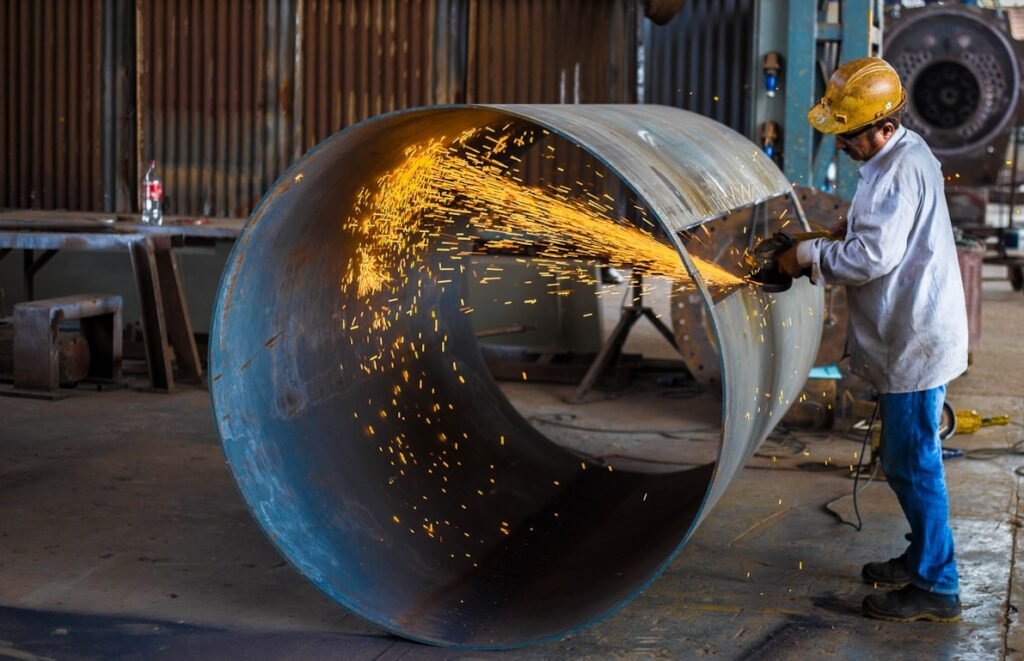
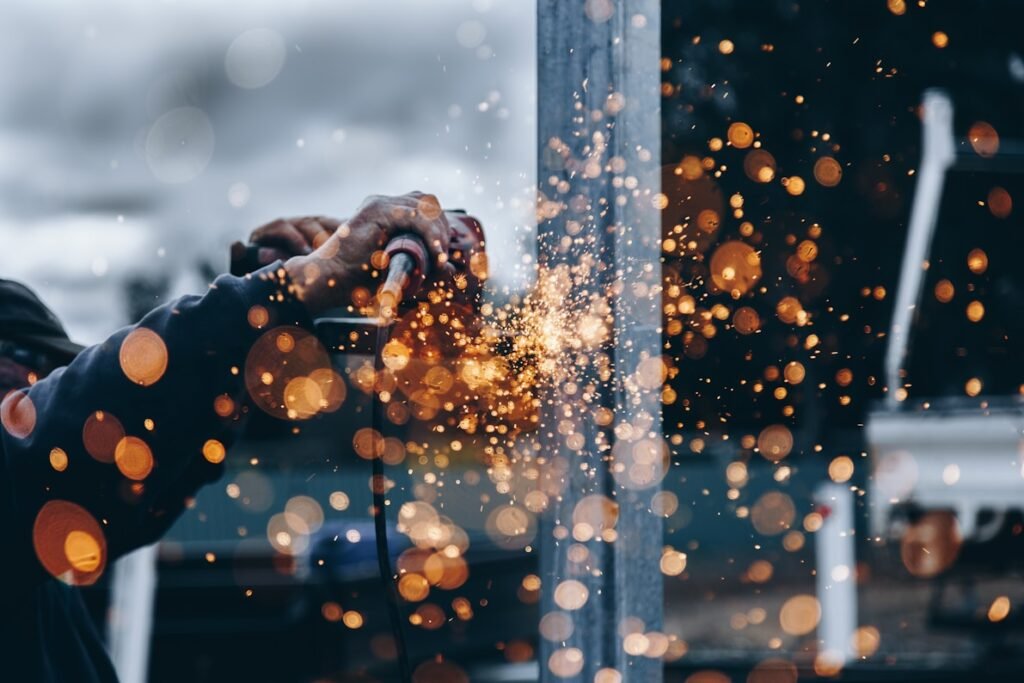
Beyond the physical processes, fabrication also involves detailed planning, material selection, and adherence to international codes and standards. These standards play a critical role in ensuring consistency, structural integrity, and safety, particularly in industries where even minor defects can result in significant operational and financial consequences.
Beyond the physical processes, fabrication also involves detailed planning, material selection, and adherence to international codes and standards. These standards play a critical role in ensuring consistency, structural integrity, and safety, particularly in industries where even minor defects can result in significant operational and financial consequences.
Sed quia non numquam eius modi tempora incidunt ut labore et dolornam
aliquam quaerat voluptatem. Ut enim ad minima ven ullam corporis suipit
laboriosam, nisi ut aliquid ex ea commodi consequatur
On the other hand, we denounce with righteous indignation and dislike men who are so beguiled and demoralized
by the charms of pleasure of the moment, so blinded by desire, that they cannot foresee the pain and trouble that are bound to ensue; and equal blame belongs to those who fail in their duty through weakness of will, which is the same as saying through shrinking from toil and pain.
Why Fabrication Quality Matters
Precision and quality control are fundamental to successful fabrication. Poorly fabricated components can lead to structural weaknesses, leaks, premature wear, and in severe cases, catastrophic failure. Such issues not only disrupt operations but can also pose serious safety risks to personnel and the environment.
High-quality fabrication involves advanced manufacturing techniques, strict inspection procedures, and continuous monitoring throughout the production process. By maintaining tight tolerances and ensuring material integrity, fabricators can deliver equipment that performs reliably over extended periods, even in demanding conditions.
Applications Across Industries
Fabricated equipment plays a vital role in a wide range of industrial applications. In the oil and gas sector, it supports exploration, refining, and transportation processes, ensuring that operations remain efficient and safe. In power generation, fabricated systems help regulate heat and energy flow, contributing to consistent and reliable electricity production.
Similarly, in chemical and manufacturing industries, fabricated equipment enables controlled processing, storage, and handling of materials. Each application requires tailored solutions, highlighting the importance of customization and engineering expertise in modern fabrication practices.
Conclusion
Industrial fabrication is far more than a manufacturing activity it is a critical engineering discipline that directly influences the safety, efficiency, and reliability of industrial systems. High-quality fabrication ensures that equipment can withstand operational stresses while maintaining consistent performance over time.
By investing in precision fabrication, advanced technologies, and rigorous quality control, organizations can achieve long-term operational efficiency, reduce maintenance costs, and enhance overall system reliability.